The speedometer system on an older vehicle may look simple from the outside, but several small components work together to transfer rotational information from the transmission to the speedometer. When one of those components develops a seal problem, becomes worn, or is damaged during maintenance, transmission fluid can leak from the speedometer gear housing.
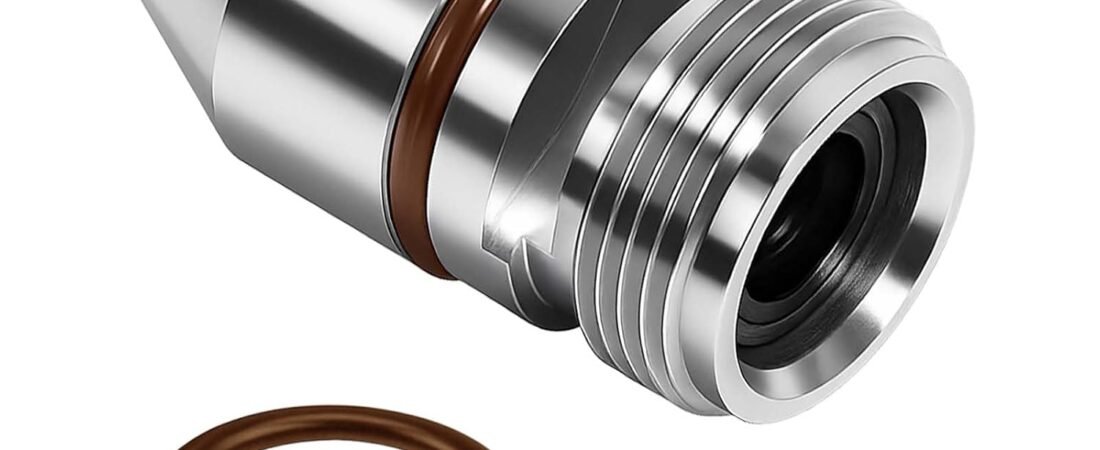
The 345215 Bullet Speedometer Gear Sleeve Housing is a replacement-style component designed for certain Chevrolet and GM automatic-transmission applications. The product is marketed for bullet-style speedometer driven-gear housings associated with transmissions such as the TH200, TH250, and TH350, and it comes with sealing components intended to help address leakage around the housing.
This type of component is particularly relevant to owners and restorers working with older vehicles equipped with traditional mechanical speedometer systems. Unlike modern vehicles that often calculate vehicle speed electronically, many classic and older vehicles used a mechanical speedometer cable driven by a gear assembly inside the transmission tail housing.
Understanding how the housing works is important before replacing it. Compatibility depends on more than the transmission name alone. The tail-housing opening, driven-gear dimensions, tooth count, existing hardware, and specific transmission configuration can all matter.
This guide explains the purpose of a bullet speedometer gear sleeve housing, the features associated with the 345215 replacement, how it can be used, what to verify before installation, and how this type of component compares with other approaches to repairing a transmission speedometer assembly.
What Is a Bullet Speedometer Gear Housing?
A speedometer gear housing is a small component installed at the transmission where the mechanical speedometer drive system connects to the transmission.
In a traditional mechanical speedometer arrangement, a gear inside the transmission rotates as the vehicle moves. That rotating motion is transferred to a driven gear, which connects to the speedometer cable.
The housing provides the structure that holds the driven gear and supports the connection between the transmission and the speedometer cable.
The term “bullet” refers to the general shape of this type of housing. It is a compact component that fits into an opening in the transmission tail housing.
Because the housing is installed in an area containing transmission fluid, sealing is important. A worn O-ring or internal seal can allow fluid to escape around the speedometer gear assembly.
Replacing the housing and its associated seals can therefore be part of addressing a leak in this area.
Why the Speedometer Gear Housing Matters
A speedometer housing may be small compared with the transmission itself, but its position makes it important to the mechanical speedometer system.
Several functions are concentrated in this component:
- It supports the driven speedometer gear.
- It provides the connection point for the speedometer cable.
- It helps maintain the correct position of the driven gear.
- It provides sealing around the transmission opening.
- It helps keep transmission fluid inside the transmission.
- It interfaces with the transmission tail housing.
A damaged housing can potentially cause problems beyond the speedometer itself. If transmission fluid escapes, the leak should not simply be ignored because the affected component is relatively small.
Fluid loss can become a larger maintenance concern if it continues over time.
Key Features of the 345215 Bullet Speedometer Gear Sleeve Housing
Compatibility With Traditional GM Applications
The product is marketed as a replacement for certain Chevrolet and GM speedometer gear housing applications, including TH200, TH250, and TH350-related configurations.
Product listings for the 345215 housing commonly identify applications involving Turbo Hydra-Matic transmissions, particularly the TH350 and TH350C, along with compatible GM-style tail housings. Some listings also reference TH200 and TH250 applications.
However, transmission compatibility should never be determined from the transmission model name alone.
Two transmissions with similar designations can have different configurations depending on the vehicle, year, tail housing, speedometer gear arrangement, and previous modifications.
That makes physical verification particularly important.
345215 Part Number
The number 345215 is one of the identifiers associated with this style of speedometer gear housing.
Other replacement numbers are also associated with similar applications. Listings for comparable 345215 housings reference numbers such as 25513247, A44774, 44774, 35227, and 35922.
Part numbers can be useful when identifying a replacement, but they should be treated as one compatibility reference rather than the only verification method.
When working on an older vehicle, the existing part may have been replaced previously, and aftermarket components may not carry the same markings as the original equipment.
Metal Housing Construction
The replacement housing is described in available product listings as a metal or steel construction. Some listings specifically describe the housing as carbon steel or stainless-steel-type construction, so the exact material specification should be confirmed against the seller’s current Amazon listing before purchase.
A metal housing is intended to provide a rigid support structure for the speedometer gear.
The housing needs to maintain its shape and position because the driven gear must remain correctly aligned with the transmission’s internal speedometer drive gear.
O-Ring Sealing
The product is supplied with an O-ring intended to seal the outside of the housing where it enters the transmission tail housing.
The O-ring is an important part of the assembly because the housing passes through an opening that must retain transmission fluid.
An old O-ring can become hardened, compressed, cracked, or otherwise less effective over time. Reusing an aged sealing ring during a housing replacement may therefore defeat part of the purpose of the repair.
The inclusion of a replacement O-ring makes the assembly more suitable for a complete housing-and-seal service rather than simply replacing the metal component.
Metal-Clad Internal Seal
The kit also includes a metal-clad oil seal associated with the speedometer gear assembly.
Product listings describe the housing as being supplied with a pre-installed internal metal-clad seal and an external O-ring.
The internal seal is important because the speedometer gear and cable connection form another potential path for transmission fluid to escape.
A sealing system therefore has more than one job: the outer O-ring seals the housing to the transmission, while the internal seal helps contain fluid around the rotating speedometer gear and cable interface.
How the Speedometer Gear System Works
To understand why the housing matters, it helps to look at the basic operation of a mechanical speedometer system.
Inside a compatible transmission, an internal speedometer drive gear rotates as the vehicle moves.
That gear engages with a smaller driven gear located in the bullet housing.
The driven gear then rotates the speedometer cable.
The cable transfers that rotation to the mechanical speedometer in the vehicle’s instrument cluster.
The speedometer interprets the cable’s rotational speed and displays the vehicle’s approximate road speed.
This is a mechanical chain:
Transmission drive gear → driven gear → speedometer cable → speedometer
The housing sits around the driven-gear portion of this system.
If the housing is damaged, incorrectly positioned, or poorly sealed, the system can experience leakage or mechanical problems.
How the 345215 Housing Can Be Used
Replacing a Leaking Speedometer Housing
One of the most common reasons to inspect a speedometer gear housing is fluid leakage.
Transmission fluid around the speedometer cable connection or housing area may indicate a deteriorated seal, damaged housing, or another nearby source.
The housing can be used as part of a repair when inspection confirms that this component is responsible for the leak.
However, fluid should not automatically be assumed to originate from the speedometer housing simply because it appears nearby.
Transmission fluid can travel along surfaces, making the apparent source different from the actual source.
Cleaning the area and inspecting it carefully can help identify where the leak begins.
Replacing a Damaged Housing
A housing can become damaged during previous maintenance or removal.
The metal structure can develop dents, deformation, corrosion, or other physical problems that interfere with correct installation.
If the housing no longer fits properly into the transmission tail housing, replacement may be appropriate.
Restoring a Classic Vehicle
Classic Chevrolet and GM vehicles frequently use mechanical speedometer systems that differ substantially from modern electronic vehicle-speed sensors.
During restoration work, small components such as speedometer housings can become important because original parts may be worn or difficult to reuse.
A replacement housing can be part of restoring the mechanical speedometer system while maintaining the original transmission architecture.
Addressing Deteriorated Seals
Sometimes the housing itself is usable but the seals have deteriorated.
A complete replacement assembly that includes the housing and sealing components can simplify the parts selection process.
Still, the correct part should be confirmed before installation because similar-looking housings can have different dimensions and gear requirements.
Understanding Gear Tooth Compatibility
One of the most important technical considerations is the number of teeth on the driven speedometer gear.
Available product listings for 345215-style housings describe compatibility with certain GM/Chevrolet configurations using approximately a 0.89-inch, or 7/8-inch, housing opening and driven gears in the 17-to-22-tooth range. Some listings also reference Muncie gear applications using 22-to-25-tooth gears and a 0.875-inch opening.
These measurements are important because a housing can physically look correct while still being unsuitable for a particular speedometer gear arrangement.
The number of teeth on the driven gear also affects speedometer calibration.
Changing the gear ratio can change the relationship between transmission output speed and speedometer cable rotation.
Therefore, replacing a housing should not automatically mean changing the driven gear to a different tooth count.
The existing gear should be identified and the required speedometer ratio confirmed.
Why Speedometer Calibration Matters
A mechanical speedometer does not simply measure vehicle speed directly.
It receives rotational input from the transmission through the speedometer cable. The relationship between cable rotation and actual road speed depends on the transmission drive gear, driven gear, tire diameter, final-drive ratio, and speedometer design.
If any of these factors change, the speedometer reading can potentially become inaccurate.
For example, changing tire size or rear-axle gearing can affect speedometer accuracy even when the transmission and speedometer housing remain unchanged.
This means a replacement housing should not be viewed as a method for correcting every speedometer accuracy problem.
If the speedometer reads incorrectly but the housing is not leaking or damaged, the underlying issue may involve gear selection, calibration, tire size, axle gearing, the speedometer itself, or another component.
Who May Find This Type of Part Useful?
Classic Chevrolet Owners
Owners of older Chevrolet vehicles equipped with compatible GM automatic transmissions may encounter worn speedometer housing seals during maintenance or restoration.
Classic GM Vehicle Restorers
Restoration projects often involve replacing aging seals and small transmission components. A speedometer housing can become relevant when returning a mechanical speedometer system to working condition.
Transmission Rebuilders
A transmission specialist may encounter worn or leaking speedometer housings during transmission service.
Having the correct replacement component available can be useful when the original housing is damaged or its sealing surfaces are no longer suitable.
DIY Automotive Hobbyists
Experienced automotive hobbyists who understand mechanical transmission systems may use this type of replacement component as part of a repair.
Because the part interfaces directly with a transmission, however, it is important to work from accurate service information rather than relying solely on a product title.
Owners Experiencing a Localized Transmission Fluid Leak
A leak around the speedometer housing can sometimes be addressed by replacing worn sealing components.
Before purchasing a replacement, the leak should be diagnosed carefully to confirm that the housing area is actually responsible.
Important Things to Consider Before Installation
Verify the Transmission
Start with the exact transmission installed in the vehicle.
Do not rely solely on the vehicle’s model name or year.
Older vehicles can have replacement transmissions, swapped tail housings, aftermarket components, or transmission combinations that differ from factory specifications.
Inspect the Tail-Housing Opening
The dimensions of the transmission opening are important.
Listings for this style of housing commonly reference an approximately 0.89-inch or 7/8-inch opening for compatible GM-style applications.
Measure or verify the opening against reliable service information before ordering.
Confirm the Driven Gear
Check the existing driven gear and count its teeth if necessary.
The housing and gear must work together as a compatible assembly.
Do not assume that a housing marketed for a particular transmission automatically supports every speedometer gear configuration associated with that transmission family.
Check the Existing Part Number
If the original housing is still available, inspect it for identifying numbers.
The 345215 designation and related cross-reference numbers can help with identification, but physical specifications should still be confirmed.
Inspect the Speedometer Cable
If the housing is being replaced because of speedometer problems, inspect the cable at the same time.
A damaged, kinked, worn, or poorly lubricated cable can cause symptoms such as erratic needle movement or unusual noise.
Replacing the housing alone may not resolve a problem originating in the cable.
Inspect the Driven Gear
Look for worn, damaged, or missing gear teeth.
The driven gear should be inspected rather than automatically reused.
If the gear teeth are damaged, installing a new housing without addressing the gear can leave the underlying mechanical problem unresolved.
Check for Transmission Fluid Loss
A leaking speedometer housing can result in transmission fluid loss.
After the repair, the transmission fluid level should be checked according to the transmission manufacturer’s service procedure.
The correct fluid type and checking procedure depend on the transmission and vehicle.
Work Safely
Transmission components can be located underneath a vehicle, so appropriate lifting and support equipment is essential.
Never rely on an unsupported jack while working underneath a vehicle.
The vehicle should be securely supported using equipment appropriate for its weight and the work being performed.
Housing Replacement vs. Seal Replacement
There are two general approaches when dealing with a speedometer housing leak.
The first is to replace only the sealing components if the existing housing is structurally sound.
The second is to replace the housing and seals together.
Replacing Only the Seal
This approach may make sense when:
- The housing is undamaged.
- The sealing surfaces are in good condition.
- The driven gear fits correctly.
- The leak is clearly caused by a deteriorated seal.
It can be a straightforward repair when the original housing remains serviceable.
Replacing the Housing and Seals
A complete housing-and-seal replacement may make more sense when:
- The original housing is damaged.
- The housing is corroded.
- The sealing surface is worn.
- The component has been distorted.
- A complete replacement is more convenient than sourcing individual parts.
The correct choice depends on the condition of the original component.
Comparing General Speedometer Repair Categories
Original Housing With New Seals
Reusing the original housing and replacing only its seals can preserve the existing component.
This may be appropriate when the housing is still in good physical condition.
The disadvantage is that a worn sealing surface or damaged housing will remain in service.
Replacement Housing With New Seals
A replacement housing provides a new structural component along with sealing elements.
This can be useful when the original housing has physical damage or when its condition is uncertain.
Compatibility remains the key issue.
Complete Speedometer Gear Assembly
Some applications use broader repair kits that include a housing, driven gear, retaining components, and seals.
This approach may be useful when several components are worn.
However, it may also include parts that are unnecessary if the existing gear is already correct and serviceable.
Electronic Speedometer Conversion
Some classic vehicles can be converted from mechanical to electronic speedometer systems.
An electronic conversion can eliminate the traditional mechanical cable and transmission-driven speedometer housing arrangement.
However, this is a substantially different approach and can involve additional components, wiring, sensors, calibration, and changes to the vehicle.
For an owner seeking to retain the original mechanical system, a compatible replacement housing may be a more direct repair approach.
Signs That the Speedometer System May Need Attention
Several symptoms can point toward problems in the mechanical speedometer system.
Transmission Fluid Near the Speedometer Connection
Fluid around the housing or cable connection can indicate a seal problem.
The source should be confirmed before replacing components.
Erratic Speedometer Needle
A bouncing or inconsistent speedometer needle can sometimes be associated with a damaged or poorly lubricated speedometer cable.
It can also have other causes.
Speedometer Noise
Clicking, squealing, or other unusual noises may originate from the speedometer cable, speedometer head, or transmission-side components.
A complete diagnosis is preferable to replacing parts based on one symptom.
Speedometer Failure
If the speedometer suddenly stops working, possible causes include a broken cable, damaged driven gear, disconnected cable, internal speedometer failure, or a transmission-side drive problem.
The bullet housing may not be the source.
Installation Considerations
The exact installation procedure varies with the transmission and vehicle.
Generally, the work involves accessing the transmission speedometer housing, disconnecting the speedometer cable, removing the retaining hardware, extracting the existing housing and gear assembly, inspecting the surrounding components, installing the appropriate sealing components, and reinstalling the assembly.
However, the exact procedure should come from a service manual or other reliable technical documentation for the specific transmission.
This is particularly important with older GM transmissions because different versions can have different hardware and speedometer arrangements.
The replacement housing should fit without excessive force.
If a component does not seat correctly, forcing it into position can damage the housing, O-ring, transmission tail housing, or gear.
Why the O-Ring and Metal Seal Matter
A speedometer housing operates in an environment where transmission fluid is present.
The outer O-ring provides sealing between the housing and transmission case.
The internal metal-clad seal addresses another sealing point around the rotating gear or shaft interface.
Both components are therefore relevant to fluid retention.
A repair that replaces the metal housing but reuses hardened sealing components may not fully address the leak.
That is why kits containing the housing and appropriate seals can be useful when the existing seals are old.
At the same time, seals should be handled carefully during installation. A damaged or improperly positioned seal can leak even when the new component itself is correct.
Maintenance Tips for Older Mechanical Speedometer Systems
Older vehicles benefit from periodic inspection because rubber components and mechanical cables age even when the vehicle is driven infrequently.
A few useful maintenance habits include:
- Inspect the transmission area for fluid leaks.
- Check the speedometer cable for damage or sharp bends.
- Inspect the driven gear during relevant transmission service.
- Replace deteriorated O-rings and seals.
- Keep the speedometer cable connection secure.
- Check speedometer operation after transmission work.
- Verify fluid levels according to the transmission service procedure.
- Investigate new noises or changes in speedometer behavior promptly.
Preventive inspection can help identify a small leak before it becomes a larger maintenance issue.
Frequently Asked Questions
What is a bullet speedometer gear housing?
A bullet speedometer gear housing is a small transmission-mounted component that holds the driven gear used by a mechanical speedometer system. It also provides the interface for the speedometer cable and helps seal the transmission opening.
What transmissions is the 345215 housing associated with?
The 345215 housing is marketed for certain GM and Chevrolet applications, with listings commonly identifying TH350 and TH350C configurations and references to TH200 and TH250 applications. Compatibility depends on the exact tail housing, opening dimensions, driven gear, and transmission configuration.
What does the O-ring do?
The O-ring seals the outside of the speedometer housing where it enters the transmission tail housing. A deteriorated O-ring can allow transmission fluid to escape.
What is the purpose of the metal-clad seal?
The metal-clad seal provides another sealing point around the speedometer gear or cable interface, helping retain transmission fluid inside the transmission housing.
Can a leaking speedometer housing cause transmission fluid loss?
Yes, a damaged housing or deteriorated seal can allow transmission fluid to escape. However, fluid appearing near the speedometer housing does not automatically prove that the housing is the source of the leak.
Does replacing the housing fix an inaccurate speedometer?
Not necessarily. Speedometer accuracy depends on several factors, including the transmission’s drive gear, driven-gear tooth count, tire size, final-drive ratio, and speedometer calibration. A housing replacement primarily addresses the housing and sealing portion of the system.
How many teeth can the compatible speedometer gear have?
Product listings for this 345215-style housing commonly reference GM/Chevrolet configurations using 17-to-22-tooth gears and certain Muncie applications using 22-to-25-tooth gears. The exact configuration should be verified before installation.
Is 345215 an OEM part number?
345215 is used as an identification or replacement reference for this style of speedometer housing. It should not automatically be interpreted as proof that a particular aftermarket component is manufactured by the original vehicle or transmission manufacturer.
Can the original speedometer cable be reused?
If the cable is in good condition and correctly compatible with the replacement housing, it may be reusable. It should be inspected for wear, damage, kinks, and proper engagement before being reinstalled.
Should I replace the driven gear at the same time?
Not necessarily. If the existing driven gear is correct for the vehicle and shows no meaningful wear or damage, it may remain serviceable. If the teeth are damaged or the gear ratio needs to be changed for calibration reasons, a different gear may be appropriate.
Can this housing be used simply because the vehicle has a TH350 transmission?
Not automatically. The tail-housing opening, driven-gear dimensions, tooth count, cable connection, and other physical details should be verified. Transmission model alone is not always enough to establish compatibility.
Is this part useful for classic-car restoration?
It can be relevant to restoration projects involving compatible GM or Chevrolet transmissions and mechanical speedometer systems. The exact transmission and speedometer configuration should be confirmed before ordering.
Conclusion
The 345215 Bullet Speedometer Gear Sleeve Housing is a relatively small transmission component, but it plays an important role in older mechanical speedometer systems. By supporting the driven speedometer gear, connecting to the speedometer cable, and providing sealing at the transmission tail housing, the component sits at the intersection of mechanical operation and transmission-fluid containment.
The product is marketed for compatible Chevrolet and GM applications, including certain TH200, TH250, TH350, and TH350C configurations. Available product information identifies compatibility considerations such as the tail-housing opening and driven-gear tooth count, while the supplied O-ring and metal-clad seal are intended to address the sealing points associated with the housing.
For classic-car owners and transmission hobbyists, the most important step is compatibility verification. The transmission designation alone should not be treated as sufficient evidence that a replacement housing will fit. Checking the existing housing, measuring the relevant opening, identifying the driven gear, confirming the cable connection, and comparing applicable part numbers can reduce the risk of installing an incompatible component.
It is also important to diagnose the actual problem before replacing parts. A leak near the speedometer cable may come from the O-ring or internal seal, but fluid can travel along transmission surfaces. Likewise, an inaccurate or malfunctioning speedometer may be caused by the cable, driven gear, transmission drive gear, speedometer head, tire size, or gearing rather than the housing itself.
When the housing is confirmed as the appropriate replacement, the included sealing components can make it possible to address both the structural component and its associated sealing points as part of the same service.
For anyone restoring or maintaining a compatible older Chevrolet or GM transmission, understanding the relationship between the speedometer housing, driven gear, cable, and transmission tail housing is essential to making an informed repair decision.